Understanding PPF Chattanooga and Its Benefits
What is PPF and Why It's Essential
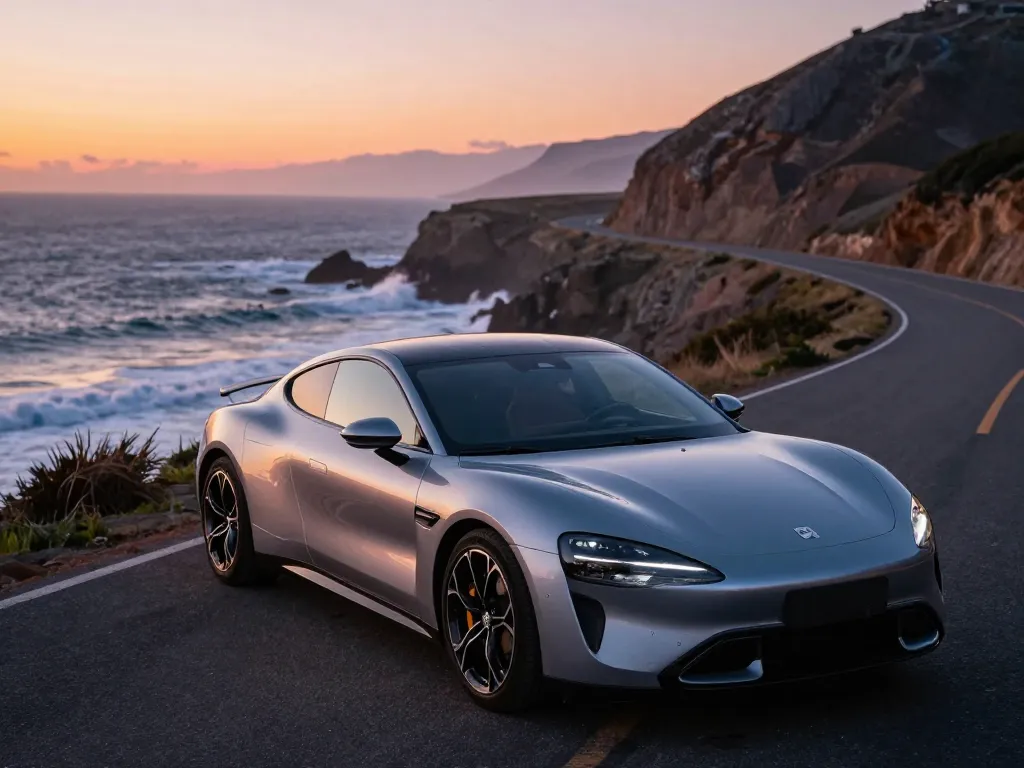
Paint Protection Film, commonly referred to as PPF, is a clear, durable layer of film applied to the exterior surfaces of vehicles to safeguard them from scratches, chips, and other forms of damage. The film is usually made from thermoplastic urethane, offering superior clarity and consistency. In places like Chattanooga, where weather conditions and road debris can be harsh, PPF becomes particularly essential. It preserves the original paint while enhancing the overall visual appeal of the car. With growing awareness about vehicle protection, the demand for PPF Chattanooga is on the rise, making it a valuable investment for vehicle owners.
Key Advantages of PPF for Your Vehicle
The installation of PPF offers numerous benefits for car enthusiasts and everyday drivers alike. Firstly, it serves as a barrier against environmental elements such as UV rays, which can cause fading over time. Moreover, PPF is resistant to solvents, making it ideal for preventing discoloration or deterioration caused by car washes and road grime. Another significant advantage is its ability to self-heal; minor scratches and swirl marks can disappear with heat exposure, thus maintaining the vehicle's aesthetic appearance without the need for constant touch-ups.
The Impact of PPF on Vehicle Value
Investing in PPF can significantly enhance the resale value of a vehicle. Potential buyers often look for well-maintained cars with minimal wear and tear. A well-installed PPF can keep a car's exterior in pristine condition, making it more attractive in the used car market. Additionally, the balance between protection and appearance provided by PPF can lead to higher offers future negotiations. This protective measure not only postpones the aging process of your vehicle’s exterior but also reassures future buyers of its upkeep.
The Application Process of PPF Chattanooga
Step-by-Step Guide to PPF Installation
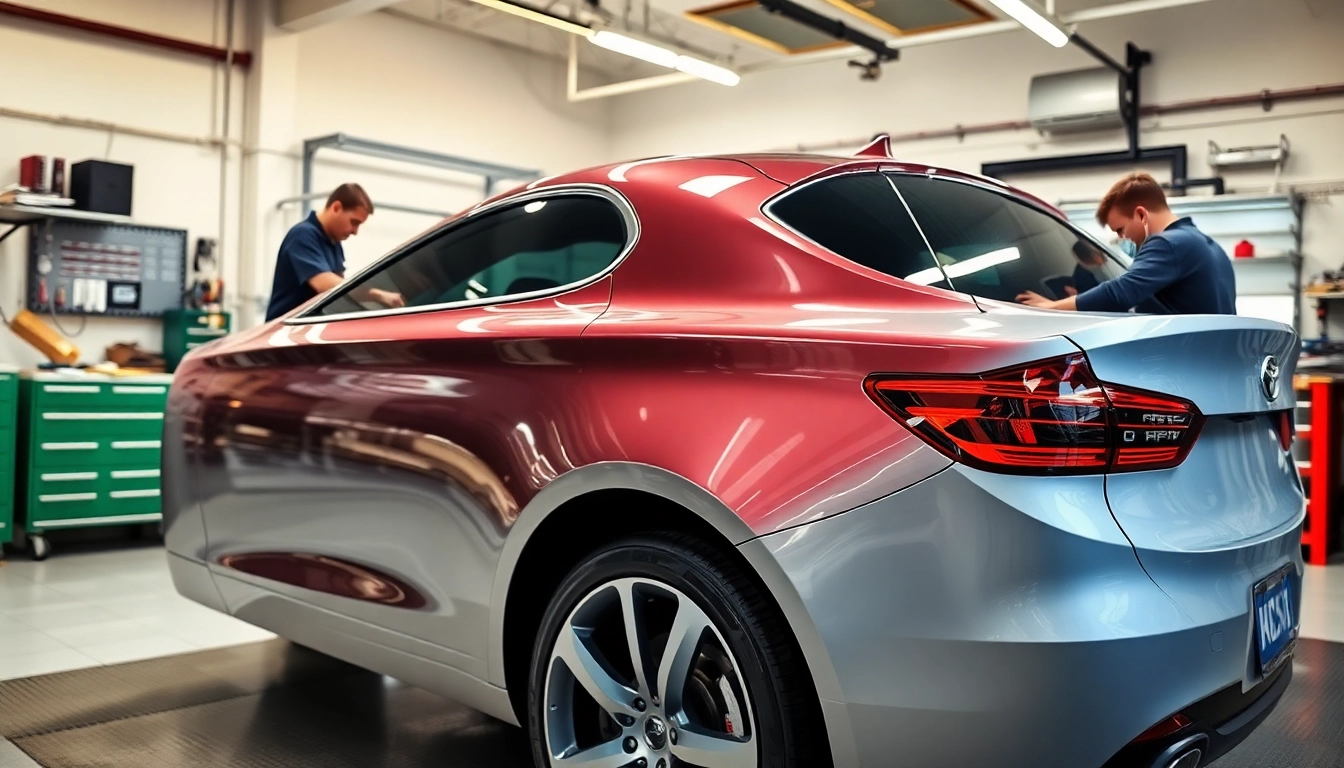
The installation of PPF is not merely a task for the DIYer; it requires precision, knowledge, and the right tools. Here’s a detailed step-by-step guide on how professionals typically handle the installation:
- Clean the Surface: Thoroughly wash and dry the vehicle to remove dirt, wax, and residue.
- Prepare the Area: Ensure the work area is dust-free to prevent contaminants from getting under the film.
- Measure and Cut: Accurately measure the areas to apply PPF and cut the film accordingly, accounting for overlap.
- Position the Film: Place the film over the designated areas and adjust positioning for a perfect fit.
- Activate Adhesive: Use a specialized solution to activate the adhesive backing of the film as it is laid down.
- Squeegee Out Bubbles: Use a squeegee to carefully press out water and air bubbles trapped beneath the film.
- Heat and Trim: Apply heat to activate the film’s self-healing properties and trim excess edges for a seamless finish.
- Final Inspection: Conduct a thorough inspection for imperfections and ensure the film is adhered properly.
Choosing the Right PPF Type for Your Needs
When selecting PPF, several options are available, each with specific benefits designed for various applications. For instance, gloss films amplify the shine and maintain a mirror-like finish, whereas matte films offer a unique, stealthy look. Some formulations include added features like hydrophobic properties to repel water and dirt, while others prioritize thickness for maximum damage protection. It’s essential to consider factors such as climate, driving conditions, and personal aesthetic preferences when choosing the right type of PPF.
Preparing Your Vehicle for PPF Application
Preparation is vital for an effective PPF installation. Ensure the vehicle is washed using pH-neutral car soap, and any wax or coating is stripped away to promote adhesion. Inspect for paint imperfections that may need addressing beforehand. A clean environment will also contribute significantly to the PPF's longevity. Lastly, proper drying, ideally using microfiber towels, will leave surfaces ready for the application, ensuring a smooth and successful installation process.
Maintaining PPF: Best Practices
Daily Care Tips for PPF-Protected Vehicles
Maintenance of PPF is relatively straightforward but crucial for ensuring its longevity and effectiveness. Regular washing should be done with non-abrasive materials and pH-neutral products. Avoid automated car washes with brushes that can damage the film; instead, consider hand washing. In addition, waxing can enhance the shine, but it’s essential to use products that are compatible with PPF to avoid damaging it. Regular inspections for lifting edges or scratches can help you catch issues early before they escalate.
Common Mistakes to Avoid with PPF
While PPF is remarkably sturdy, several common mistakes can lead to premature wear or failure. Avoid using harsh chemicals or abrasive cleaning pads that may scratch the surface. Furthermore, be cautious during the initial days post-application to not expose the film to water or harsh environments, as it needs time to cure. Keeping your vehicle parked in direct sunlight for extended periods can also promote adhesion failure; consider shade or car covers when necessary.
How to Assess PPF Condition
Regular assessment of the PPF condition is crucial to identify any issues early. Look for signs of discoloration, peeling edges, or bubbling, as these could indicate improper installation or environmental degradation. Moreover, inspect for small scratches or scuffs that may not be apparent. If these issues are noted, consulting a professional PPF installer can help determine if repairs or replacement are necessary, ensuring that your vehicle maintains optimal protection.
Cost Considerations for PPF Chattanooga
Factors Influencing PPF Pricing
The cost of PPF installation can vary significantly based on several factors. The type and quality of the film selected will impact the total expense; premium brands often come with higher price tags due to their added benefits. Additionally, the complexity of the installation plays a crucial role; larger vehicles or intricate designs require more labor and expertise, subsequently increasing costs. Local labor rates and demand for PPF services in Chattanooga will also affect overall pricing.
Budgeting for PPF Installation
When budgeting for PPF installation, consider not only the initial cost of materials and labor but also potential future maintenance costs. Establish a budget that allows for the selection of a quality product that meets your needs while accounting for proper care post-installation. It’s wise to receive multiple quotes from professionals and understand what each service includes to avoid hidden costs down the line.
Comparative Analysis of DIY vs. Professional PPF Installation
The decision to install PPF yourself or hire a professional hinges on several factors, including skill level, tools available, and time commitment. DIY installation can be cost-effective, especially for small areas or if you have prior experience. However, without the necessary tools and skills, the risk of improper application is high, which can lead to reduced film effectiveness. Professional installers, though more expensive, offer expertise, high-quality materials, and warranties, ultimately yielding better results and peace of mind.
FAQs About PPF Chattanooga
How long does PPF last on a vehicle?
PPF can last between 5 to 10 years, depending on the product quality and installation.
Can I wash my car after PPF installation?
Yes, but wait at least 48 hours before washing to allow the PPF to set properly.
Is PPF removable?
Yes, PPF can be removed without damaging the vehicle's paint when performed by professionals.
Does PPF affect my car's appearance?
When installed correctly, PPF enhances your car's look without altering its color or finish.
Can PPF be repaired?
Yes, minor scratches on PPF can often be repaired; consult a professional for proper methods.